samedi 27 juin 2026

Can a Bedtime Drink Really Balance Blood Sugar and Reduce Nighttime Bathroom Trips?

by


Can a Bedtime Drink Really Balance Blood Sugar and Reduce Nighttime Bathroom Trips?

You have probably seen headlines claiming that a simple bedtime drink can stabilize blood sugar, improve sleep, and eliminate nighttime trips to the bathroom. Popular suggestions often include apple cider vinegar, turmeric milk, cinnamon tea, or various "detox" beverages.

While these claims can sound appealing, the reality is more nuanced. Blood sugar regulation and nighttime urination are influenced by multiple factors, including diet, hydration, hormones, sleep quality, and underlying health conditions.

Rather than relying on a single miracle drink, understanding the real causes of nighttime disruptions can help you make choices that genuinely support your health.

Why Blood Sugar and Nighttime Urination Are Connected

Blood sugar levels can directly affect how often you need to urinate.

When blood glucose becomes elevated, the kidneys work harder to remove excess sugar from the bloodstream.

This process pulls additional water into the urine, increasing fluid loss and potentially leading to more frequent bathroom trips.

For some individuals, fluctuations in blood sugar during the night may also interfere with sleep quality.

Maintaining healthy glucose levels throughout the day can contribute to better overall sleep and fewer interruptions.

Understanding Nocturia

The medical term for waking up during the night to urinate is nocturia.

Occasional nighttime urination is normal, particularly after consuming large amounts of fluid before bed.

However, frequent awakenings can interfere with restorative sleep and may indicate an underlying issue.

The Myth of the "Magic Drink"

Many wellness trends suggest that a single beverage consumed before bedtime can dramatically improve blood sugar control overnight.

While some ingredients may offer modest health benefits when used regularly, no drink instantly resets metabolism or eliminates the need for healthy lifestyle habits.

Apple Cider Vinegar

Some studies suggest that apple cider vinegar may modestly influence blood sugar responses when consumed with meals.

However, drinking vinegar before bed is unlikely to stop nighttime urination.

For some people, it may even cause digestive discomfort or irritation of the throat and stomach.

Turmeric and Cinnamon Teas

Turmeric and cinnamon contain compounds that researchers continue to study for their potential health benefits.

However, a single cup before bed is unlikely to dramatically alter blood sugar levels overnight.

Additionally, certain herbal blends marketed as detox teas may contain ingredients that increase urination rather than reduce it.

If there is no miracle drink, what actually works? The answer lies in a combination of simple habits that support both metabolic health and restful sleep

The Bedtime Habits That May Help

1. Choose a Balanced Evening Snack When Appropriate

For some individuals, a small snack containing protein and fiber before bed may help support stable overnight blood sugar levels.

Examples include:

Almond butter with apple slices.

A hard-boiled egg with vegetables.

Cottage cheese with berries.

Greek yogurt with a small portion of fruit.

Large meals, sugary desserts, and alcohol close to bedtime may have the opposite effect and disrupt both blood sugar balance and sleep quality.

2. Reduce Fluid Intake Before Bed

One of the simplest ways to reduce nighttime bathroom trips is to avoid excessive fluid consumption during the two hours before sleep.

This does not mean becoming dehydrated—simply avoid drinking large amounts out of habit if you are not thirsty.

3. Support Healthy Circulation

People who experience swelling in their legs or ankles may notice increased nighttime urination.

When lying down, fluid accumulated in the lower body can return to circulation and eventually be processed by the kidneys.

Elevating the legs briefly during the evening may help reduce this effect for some individuals.

4. Build a Better Dinner

A balanced evening meal can support more stable blood sugar levels throughout the night.

Focus on:

Vegetables rich in fiber.

Lean protein sources.

Healthy fats.

Whole grains when appropriate.

Reducing highly refined carbohydrates and sugary foods may help minimize large fluctuations in glucose levels.

5. Discuss Supplements with Your Healthcare Provider

Some people use magnesium glycinate as part of a bedtime routine because it may support relaxation and sleep quality.

However, supplements are not appropriate for everyone, and professional guidance is recommended before starting any new regimen.

Sometimes frequent nighttime urination has little to do with blood sugar at all. Recognizing other possible causes is important for protecting long-term health.

When Nighttime Urination May Have Other Causes

Repeatedly waking up multiple times each night to urinate may be related to factors other than blood sugar regulation.

Possible causes include:

Sleep apnea.

Overactive bladder.

Enlarged prostate in men.

Certain medications.

Kidney conditions.

Heart-related issues.

Urinary tract problems.

If nocturia becomes frequent or significantly disrupts sleep, a healthcare professional can help determine the underlying cause.

The Importance of Consistency

When it comes to supporting healthy blood sugar levels and improving sleep quality, consistency is often more effective than quick fixes.

Small daily habits can make a meaningful difference over time:

Eating balanced meals.

Maintaining regular physical activity.

Managing stress.

Getting adequate sleep.

Monitoring fluid intake.

Following medical recommendations when needed.

What About Bedtime Drinks?

If you enjoy a warm beverage before bed, consider options that support relaxation without excessive caffeine or added sugar.

Examples include:

Warm milk.

Caffeine-free herbal tea.

Chamomile tea.

Unsweetened cinnamon tea.

These beverages may contribute to a calming bedtime routine, although they should not be viewed as cures or treatments.

Final Thoughts

The idea that a single drink can stabilize blood sugar and eliminate nighttime bathroom trips may sound appealing, but real health improvements typically come from consistent habits rather than quick solutions.

Supporting healthy blood sugar levels involves balanced nutrition, regular movement, quality sleep, and proper hydration throughout the day.

If nighttime urination becomes frequent or persistent, it is worth discussing with a healthcare professional to identify possible underlying causes.

In the end, the most effective strategy is often the simplest: take care of your body consistently, focus on evidence-based habits, and avoid relying on viral health shortcuts that promise more than they can deliver.

Disclaimer

This article is intended for informational purposes only and does not replace professional medical advice, diagnosis, or treatment. Always consult a qualified healthcare provider regarding symptoms, medical concerns, or before making significant changes to your diet, supplement routine, or healthcare plan.

What the Veins on Your Hands Might Reveal About Your Liver Health

by


Have you ever noticed the blue or green veins standing out on your hands and wondered what they mean? While veins are a normal part of the body’s circulatory system, sometimes their appearance can offer clues about your internal health particularly your liver.

Your liver is one of the most vital organs in your body. It’s responsible for filtering toxins from the blood, producing bile for digestion, storing essential nutrients, and regulating metabolism. When the liver is stressed or damaged, subtle signs can appear on the skin and veins, sometimes long before more serious symptoms emerge.


Why Veins Become More Visible


Veins naturally become more noticeable when you are warm, exercising, or have low body fat. However, when hand veins are unusually prominent even without these factors, it may be worth paying attention. In some cases, bulging veins can be linked to liver issues because the liver helps regulate blood flow and the balance of fluids in your body.

Vein Color and Liver Function

The color of your veins can also give important hints. Healthy veins typically appear blue or green due to the way light passes through your skin. However, persistent deep blue or dark green veins, along with swelling or puffiness, could suggest that the liver is not effectively processing blood or toxins. Over time, this may lead to fluid retention or poor circulation.

Other Signs to Watch For

Prominent hand veins alone are not a definitive sign of liver problems. But if they appear alongside other symptoms, it’s a good idea to check in with a healthcare professional. These symptoms may include:

  • Yellowing of the skin or eyes (jaundice)
  • Swelling in the abdomen or legs
  • Unexplained fatigue or weakness
  • Dark urine or pale stools
  • Persistent itching or easy bruising
  • These signs indicate that the liver may be struggling and require medical attention.

Maintaining Liver Health

Even if your hand veins are more visible than usual, you can take steps to protect your liver and overall health:

  • Eat a Balanced Diet – Focus on fresh vegetables, fruits, lean proteins, and whole grains. Avoid excessive sugar, fried foods, and processed snacks.
  • Limit Alcohol – Drinking in moderation or avoiding alcohol entirely can prevent liver stress.
  • Stay Hydrated – Drinking plenty of water helps the liver flush out toxins efficiently.
  • Exercise Regularly – Physical activity improves circulation, reduces fat buildup, and supports liver function.
  • Monitor Medications – Some prescription and over-the-counter drugs can strain the liver, so follow your doctor’s guidance carefully.
  • Schedule Regular Check-Ups – Routine blood tests can reveal liver enzyme levels and detect problems early.

When to See a Doctor

If you notice your hand veins becoming unusually prominent, changing color, or accompanied by any of the symptoms above, it’s important not to ignore it. A simple check-up can identify liver issues before they develop into serious conditions such as fatty liver disease, hepatitis, or cirrhosis.

Final Thought

While prominent veins on your hands are often harmless, they can sometimes be a subtle signal from your body about your liver health. Paying attention to these signs and adopting a healthy lifestyle can help you protect your liver, improve circulation, and maintain overall wellness. Your hands might be showing you more than you realize—so don’t overlook the message they’re sending.

White Clover (Trifolium repens): 15 Benefits and Homemade Uses

by


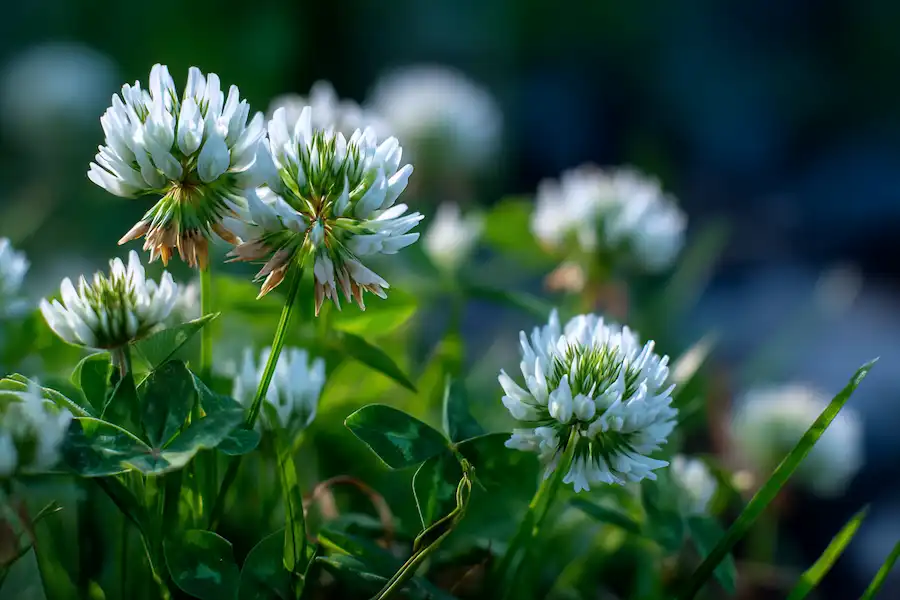
White clover (Trifolium repens) is a small but mighty plant often overlooked in lawns and fields. Known for its three-part leaves and tiny white flowers, this creeping legume has been used for centuries in folk remedies. Whether made into teas or used fresh, white clover carries a surprising number of health and practical benefits. Below is a list of 15 powerful benefits and some easy ways you can use it at home.

15 Benefits of White Clover (Trifolium repens)

1. Detoxifying
Supports the body’s natural detox pathways and may help flush out toxins.

2. Anti-inflammatory
Soothes minor joint and muscle inflammation.

3. Blood cleanser
Traditionally used to purify and stimulate healthy blood circulation.

4. Rich in nutrients
Contains vitamins A, B, C, and minerals like calcium and magnesium.

5. Supports respiratory health
Used in teas to ease coughs, colds, and bronchial issues.

6. Promotes skin healing
Topically applied to cuts or burns, it can assist with skin recovery.

7. Diuretic effect
Encourages urine flow and helps reduce water retention.

8. Menstrual relief
May relieve mild menstrual cramps and balance hormones.

9. Immune booster
Its antioxidant content helps strengthen immune response.

10. Antiseptic properties
Can be used as a mild disinfectant in skin washes.

11. Calming effect
Tea made from its flowers can mildly calm nerves and reduce anxiety.

12. Digestive aid
May help reduce bloating and stimulate digestion.

13. Anti-aging support
Rich in antioxidants that may fight cellular damage.

14. Supports liver health
Believed to aid in gentle liver detoxification over time.

15. Improves skin complexion

 Internal and external use may contribute to clearer skin.

fresh white clover

Homemade Uses of White Clover

1. White Clover Tea (Internal Use)
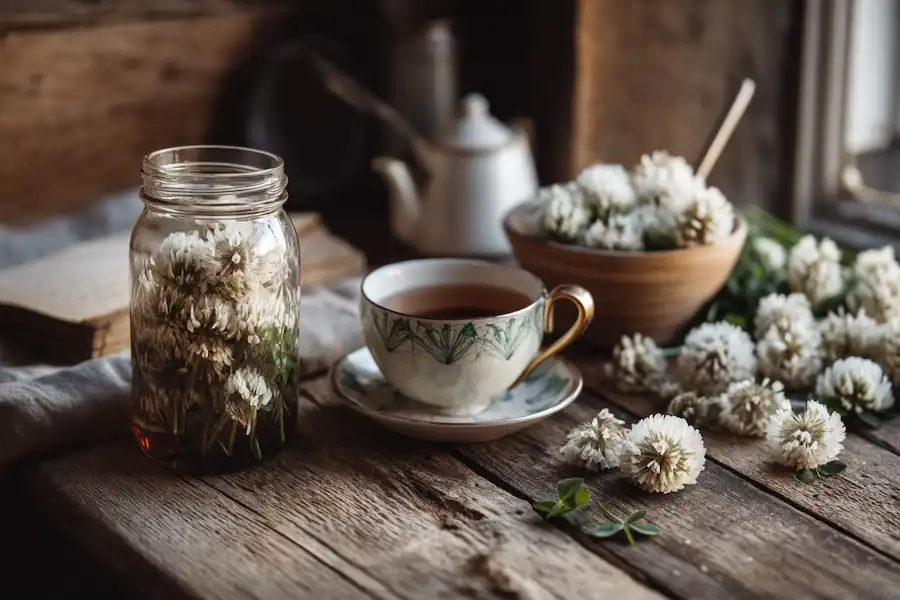
Dry or fresh flowers and leaves can be steeped in hot water (1 tsp dried or 1 tbsp fresh per cup) for 5–10 minutes. Drink 1–2 cups daily to support detox, immunity, and calmness.

2. Infused Oil (External Use)
Fill a small jar with clean white clover flowers, cover with olive or coconut oil, seal, and let sit in a sunny spot for 2 weeks. Strain and apply to skin to soothe irritation, cuts, and burns.

3. Skin Wash for Acne or Irritations
Brew a strong tea (2 tbsp dried clover in 1 cup water), cool it, and use it as a facial rinse or compress for acne, rashes, or sunburn.

4. White Clover Tincture
Soak fresh white clover flowers in 40% alcohol (like vodka) for 4 weeks in a sealed jar. Shake occasionally. Strain and store. Use 10–20 drops in water to support immunity and circulation.

5. Homemade Bath Soak
Add a handful of fresh or dried clover flowers to a warm bath. Great for skin nourishment and overall relaxation.

6. Clover Poultice
Mash fresh leaves and flowers into a paste and apply directly to insect bites, minor wounds, or irritated skin. Cover with a clean cloth.

7. White Clover Ice Cubes
Make strong tea and pour into ice trays. Use the cubes on skin for inflammation, puffiness, or after sun exposure.

8. Green Smoothie Add-In
Use a few young, fresh clover leaves in your morning smoothie for a subtle herbal boost.

a jar of dried white clover flowers

White clover is far more than just a ground cover in your yard. Its health benefits range from cleansing the blood to calming the nerves, and it can be used both internally and externally in simple homemade ways. Always make sure the clover you use is pesticide-free and properly identified before consuming or applying it.


Disclaimer:
This article is for informational purposes only and not medical advice. If you are pregnant, breastfeeding, on medication, or have health concerns, consult a healthcare provider before using white clover.

Inspired by this? Share the article with your friends!


Deadheading Basics: Which Flowers Benefit Most (And Which Don’t Need It)

by


I was 14 years old when I first learned the concept of deadheading from my mom. Initially, what worried me was the word “dead” in the name, which made me think she was killing her plants in some way.

However, as time went by and I grew older, deadheading has now become a late spring ritual for me. Today, we’ll go over some deadheading basics and discuss which flowers can benefit from it the most!

Let’s dive right into it!

In the simplest terms, deadheading involves removing old flowers to encourage new ones.

You want to make deadheading a consistent practice in your garden because it promotes more flower development, longer bloom time, and just makes the landscape appear neater.

Quick tip: You don’t need many tools for deadheading. Just use sharp scissors or pinch off the flowers using your fingers; it’s that simple.

Cutting coneflowers
Deadheading petunias
Petunias

Deadheading petunias promotes fuller growth and constant blooming, both the things which will make your garden appear more beautiful than ever. If you find your petunia growth to be leggy, deadhead regularly to reverse it.

You can learn here the best way to deadhead petunias.

cutting dried zinnia flower
Zinnias

Like petunias, zinnias also grow thicker and fuller through deadheading, leading to better blooming results and keeping garden color going into fall.

Here’s a simple guide on how to deadhead zinnias to keep them blooming their best.

Deadheading geranium flowers
Ivy Geraniums

Removing old geranium flowers after their blooming period keeps them tidy and blooming at their best. It also helps prevent seed formation. This includes both zonal and ivy geraniums.

Deadheading marigold flowers
Marigolds

In marigolds, deadheading encourages nonstop bloom development. It’s also a good way to prevent common issues with marigolds like mildew and seed drop.

This guide explains exactly how and why to deadhead marigolds to keep them healthy and vibrant.


Cosmos
Cosmos

Deadheading cosmos flowers after their blooming period ends encourages fresh flushes of flowers through summer. Due to their delicate nature, the blooms are also super easy to deadhead, even with your fingers.

Deadheading Coneflowers
Coneflowers

Deadheading coneflowers early boosts both bloom quality and quantity. You can, however, also choose to leave late-season blooms for birds if you want.

Deadheading gaillardia flowers
Gaillardia

Removing spent blooms keeps blanket flowers flowering longer and healthier without unwanted issues. You actually want to deadhead these often for the best garden display.

Impatiens
Impatiens
Impatiens

Impatiens are known for their self-cleaning capabilities. Their old blooms fall off naturally, meaning you don’t have to manually remove them one by one.


Begonias
Begonias

Most begonia varieties, especially tuberous and wax begonias, don’t really need deadheading. They maintain well on their own, so no extra care is needed.

Periwinkle
Periwinkle

Periwinkles bloom continuously on their own without needing to be deadheaded. As a matter of fact, deadheading can potentially be harmful for these perennials.

Note: Even though they’re low-maintenance, it’s important to note that vinca is actually considered invasive in many regions. It can spread quickly beyond where it’s planted and outcompete native species.

Lobelia
Lobelia

Lobelias usually self-clean, which is why it may be better to only trim them very lightly if they get leggy.

Sweet Alyssum
Sweet Alyssum

Despite the delicate sounding name and appearance, sweet alyssums are super low-maintenance and respond much better to some light shearing rather than full-on deadheading.

cutting old flowers on peony
  • Timing is everything! Do not just cut back spent flowers whenever you want. Climate, season, and temperature conditions play a major role in determining whether your flowers will return better than before or not.
  • Make sure to collect and dispose of the spent blooms far away from your garden, as they have a tendency to attract pests and fungal diseases.
  • Your first few times deadheading will be absolutely horrendous. You might make imprecise cuts or end up removing too much foliage along with spent blooms. Just stay at it and deadhead consistently after every blooming season; practice makes perfect!
Zinnia flowers

Let’s be honest, deadheading doesn’t really work for every single flower variety out there. However, the ones that it does work for, oh boy, does it work well!

Some flowers don’t need manual removal of spent blooms to get them blooming better and healthier, while others await it to bless your eyes with the most beautiful and dense flower bundles you’ll ever see.

If you have any special deadheading tips that you’ve learned over the course of your gardening journey, make sure to drop them down below! It’s never a bad day to learn, eh?